![Empty shirt [20180731 drawing, 1000x1000mm]](https://stephenjwilliams.com/wp-content/uploads/2018/07/20180731_empty_shirt_drawing_1000x1000mm.jpg)
Tag: Art
-
Errol says the problem is Justice [20180620 drawing, 1000x1000mm]
![Errol says the problem is Justice [20180620 drawing, 1000x1000mm]](https://stephenjwilliams.com/wp-content/uploads/2018/06/20180620_errol_says_the_problem_is_justice_drawing_1000x1000mm.jpg)
Errol says the problem is Justice [20180620 drawing, 1000x1000mm] Details …
![Errol says the problem is Justice [detail of 20180620 drawing, 1000x1000mm]](https://stephenjwilliams.com/wp-content/uploads/2018/06/screen-shot-2018-06-21-at-8-08-09-am.png)
Errol says the problem is Justice [detail of 20180620 drawing, 1000x1000mm] ![Errol says the problem is Justice [detail of 20180620 drawing, 1000x1000mm]](https://stephenjwilliams.com/wp-content/uploads/2018/06/screen-shot-2018-06-21-at-10-28-01-am.png)
Errol says the problem is Justice [detail of 20180620 drawing, 1000x1000mm] -

Mystic writing pad
Note: Sigmund Freud, ‘A note upon the Mystic Writing Pad’ (1925)

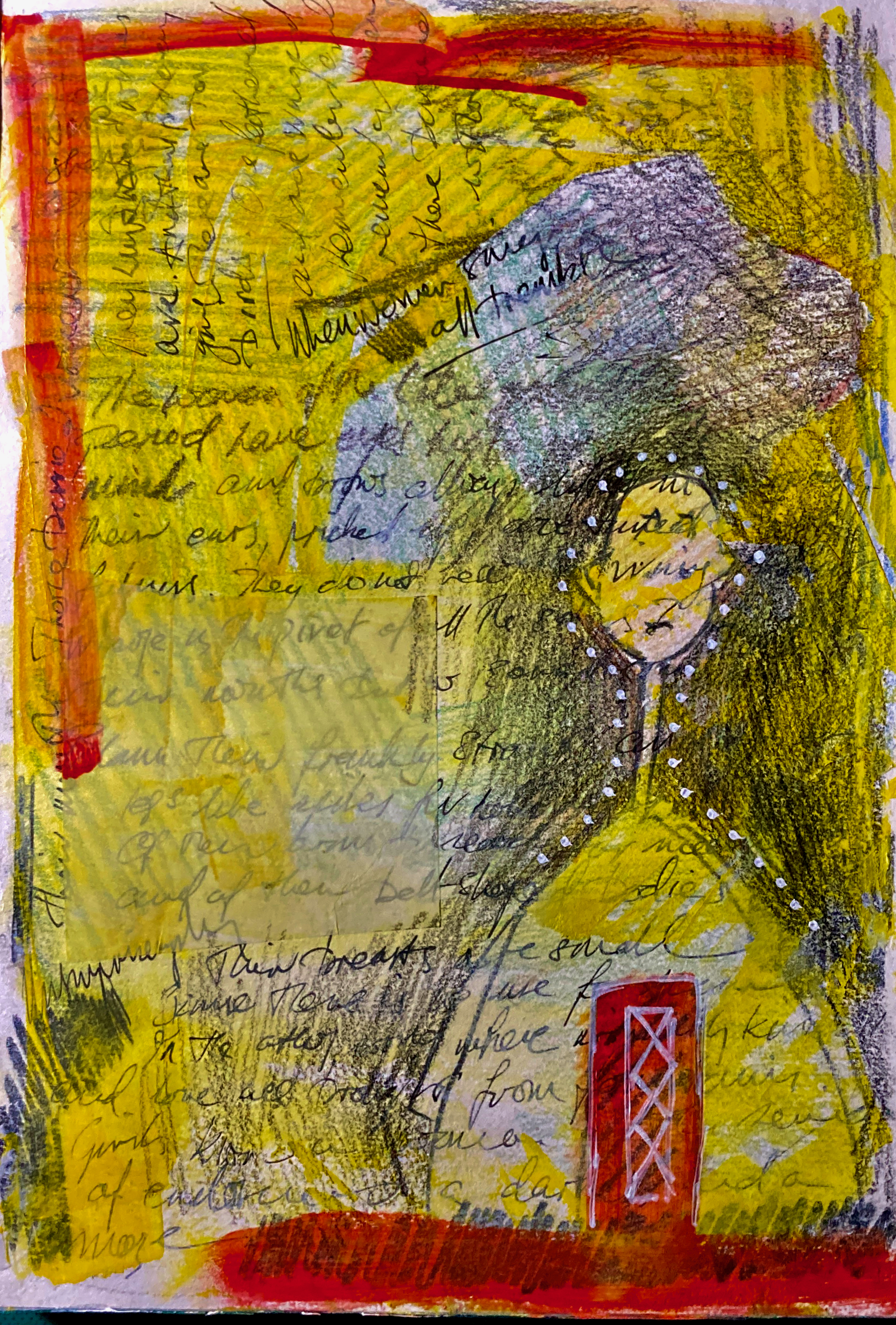

![Anti-portrait [20190105 drawing, 1000x1000mm]](https://stephenjwilliams.com/wp-content/uploads/2019/01/20190105_anti-portrait_drawing_1000x1000mm-small.jpg)
![Mystic writing pad 1 [drawing, 297mm x 297mm] incorporates ‘Since Jerusalem’ by Stephen J. Williams.](https://stephenjwilliams.com/wp-content/uploads/2017/11/20171127_mystic_writing_pad_1_drawing_297x297mm.jpg)
![Mystic writing pad 2 [drawing, 297mm x 297mm] incorporates ‘Since Jerusalem’ by Stephen J. Williams.](https://stephenjwilliams.com/wp-content/uploads/2017/11/20171128_mystic_writing_pad_2_drawing_297x297mm.jpg)
![Mystic writing pad 3 [drawing, 297mm x 297mm] incorporates ‘Since Jerusalem’ by Stephen J. Williams.](https://stephenjwilliams.com/wp-content/uploads/2017/11/20171129_mystic_writing_pad_3_drawing_297x297mm.jpg)
![Mystic writing pad 4 [drawing, 297mm x 297mm] incorporates ‘Since Jerusalem’ by Stephen J. Williams; and Sigmund Freud’s ‘A note upon the Mystic Writing Pad’ (1925).](https://stephenjwilliams.com/wp-content/uploads/2017/12/20171130_mystic_writing_pad_4_drawing_297x297mm.jpg)
![Mystic writing pad 5 [drawing, 297mm x 297mm] incorporates [most there is just this] and ‘Sr Pessoa’, both poems by Stephen J. Williams; and Sigmund Freud’s ‘A note upon the Mystic Writing Pad’ (1925). Published in Pink Cover Zine No.3, November 2018.](https://stephenjwilliams.com/wp-content/uploads/2017/12/20171201_mystic_writing_pad_5_drawing_297x297mm.jpg)
![Mystic writing pad 6 [drawing, 297mm x 297mm] incorporates Sigmund Freud’s ‘A note upon the Mystic Writing Pad’ (1925); ‘Uncle Stranger’ by Stephen J. Williams (which is a version of a diary kept by Trevor Williams); and [There lies Peter Clutterbuck now], a poem by Stephen J. Williams.](https://stephenjwilliams.com/wp-content/uploads/2017/12/20171206_mystic_writing_pad_6_drawing_297x297mm.jpg)
![Mystic writing pad 7 [20171212 drawing, 297mm x 297mm] incorporates excerpts of a diary by Trevor Williams; and ‘Transposition in the words of James Baldwin’ by Stephen J. Williams, which is a transposition in words spoken by James Baldwin. This drawing was published in Rabbit Poetry—a journal for non-fiction poetry (RMIT University, April 2018).](https://stephenjwilliams.com/wp-content/uploads/2017/12/20171212_mystic_writing_pad_7_drawing_297x297mm.jpg)
![Mystic writing pad 8 [drawing, 297mm x 297mm] incorporates ‘Uncle Stranger’ by Stephen J. Williams (which is a version of a diary kept by Trevor Williams); and a version of another drawing, ‘Detail of Decay’ (a study of an Adolf von Hildebrand statue, by Stephen J. Williams.](https://stephenjwilliams.com/wp-content/uploads/2018/01/20171220_mystic_writing_pad_8_drawing_297x297mm.jpg)
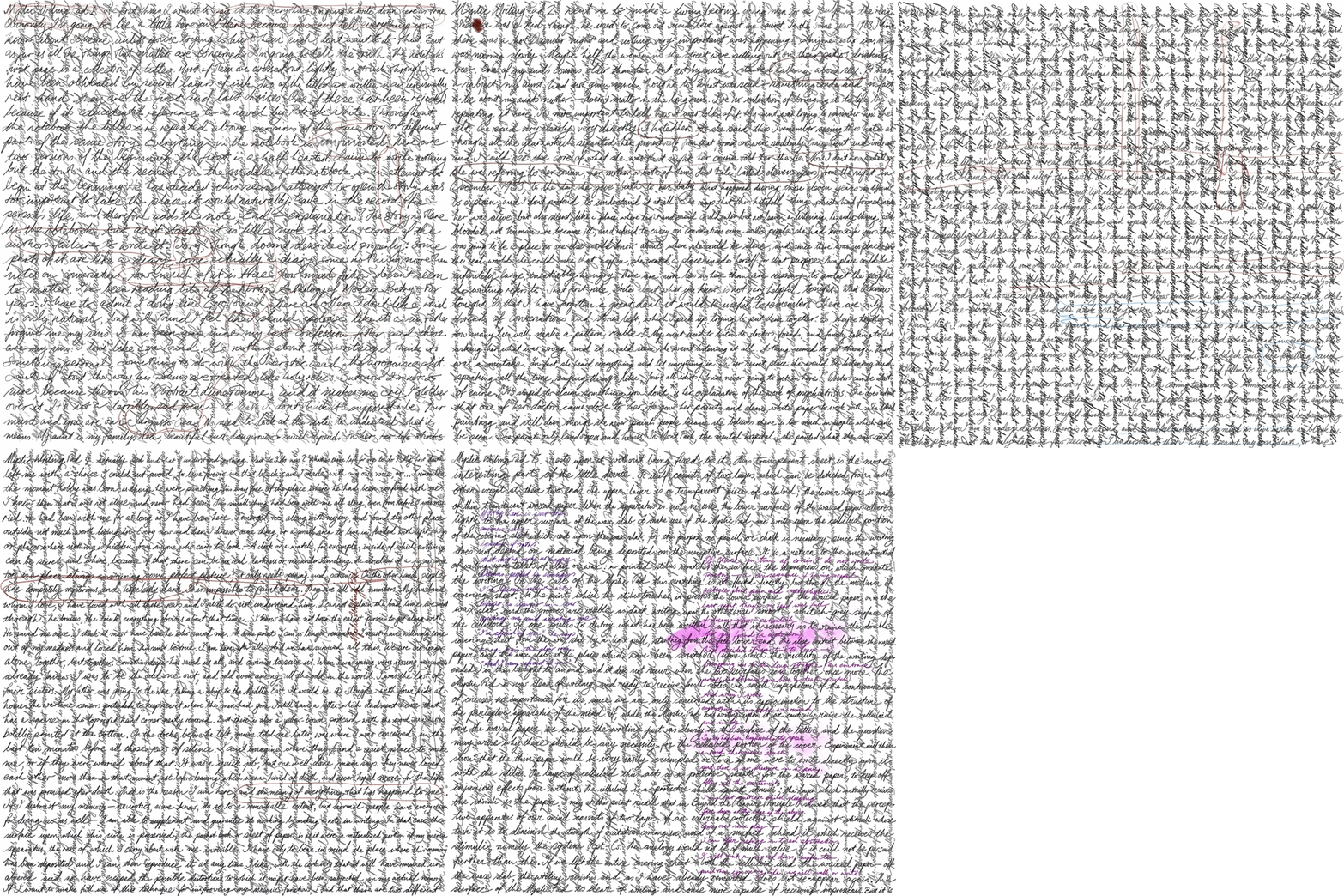
![Mystic writing pad 9 [drawing, 297mm x 297mm] incorporates ‘Uncle Stranger’ by Stephen J. Williams (which is a version of a diary kept by Trevor Williams); and ‘Exposed’, a poem by Stephen J. Williams.](https://stephenjwilliams.com/wp-content/uploads/2018/05/20180224_mystic_writing_pad_9_drawing_297x297mm-2.jpg)
This work takes its title from the 1925 essay by Sigmund Freud, ‘A note upon the mystic writing-pad’, in which he posits that the system of perception and consciousness appears to be strikingly similar to a graphic arts toy called a ‘mystic writing-pad’. The ongoing work exploits this metaphorical understanding of consciousness in a still-growing series of ‘drawings-as-writing’ or ‘writing-as-drawing’. The images reproduce key texts of personal writing, relevant influential authors and ‘voices’ from the past… diaries, biographical essays, Freud, James Baldwin and others. This work uses writing and imagery to interrogate ideas of a fictionalised self that is subject to the influence of culture.
-
People like us
The numbers are important: it has been twenty years,
more than twenty years. Still, he is always home at six, exactly.
I have prepared the table, and the vegetables. Something
has been cooking all afternoon that we will finish togetherlater, but before that he throws his arms around my shoulders
and kisses me on the neck. We have a drink and talk.
Like all companions we have a secret language, and a world
within the outward world where characters, known only theresub-plots, imaginings, laughter, have private lives and meaning.
Then, when it is time to eat, we go to the kitchen and agree
on how to serve. Did you know that in the Bible it says
be subject to each other? It means, I think, he is first, always.It means, he thinks, I am always first. We assess the wine.
He is better at this than I am. At this, and many other things.
I am better at the jokes, I think, but we share a taste for the absurd.
Everything and everyone is discussed. No one has the final word.Then there is a handful of hauntingly beautiful scenes, a girl
in a red coat, a crumbling beach house, the installation
of the finished bell, to be recounted later in a dream, music
and poetry piling up in a great heap of life.For us there is nothing ever new under the sun.
In the place beyond the city where we escape
debates and news—where it is useless to mention
politics because there are no roads or pathwaysand there is no right or wrong—people like us, lie down
in the grass, and for a minute there we lose ourselves
the sky too quiet to talk about, and we can be nothing
actually nothing, nothing at all, if not together, not as one. -
Serge Gainsbourg’s empathy
Do popular songs aim low? According to the French wikipedia, Serge Gainsbourg’s ‘Le Poinçonneur des Lilas’ was a hit in 1959. It is a poem about a ‘ticket puncher’ in Mairie des Lilas (a railway station in Paris) who talks very quickly about punching holes in tickets all day and about someone making a final hole for him, where he won’t have to listen to talk about holes any more.

Serge Gainsbourg photographed by Claude Truong Ngoc, 1981. (The original music video—with English subtitles—is also on YouTube, but the audio track is not clear.) “The main road,” which the persona of the poem says he hopes to leave, is actually, in the French lyric, “la grand’route” or ‘the great highway’—surely a reference to the road we all take to the grave.
The song is a poetic and political act of empathy, and of a kind that has become rare in the sanitised marketplace of popular songs. And it is the poetry that saves it from being only political ideology and lifts it into the realm of art.
Gainsbourg died in 1991, having established himself as one of the world’s most influential popular composers and performers.
-

Bertolt Brecht and the Tea Party
One of Brecht’s very famous poems is ‘Years ago when I,’ written in the 1930s, and published in English by Methuen in the 1976 collection Bertolt Brecht: Poems 1913–1956. It opens with the lines:
Years ago when I was studying the ways of the Chicago Wheat Exchange
I suddenly grasped how they managed the whole world’s wheat there
And yet I did not grasp it either and lowered the book
I knew at once: you’ve run
Into bad trouble.Brecht makes a harsh moral judgement of the men of the exchange: “These people, I saw, lived by the harm / Which they did, not by the good.”

Bertolt Brecht: Poems 1913-1956 The place he referred to in this poem was, insofar as I have been able to determine, the Chicago Board of Trade, established in 1848. In 2007 the Board of Trade in Chicago merged with the Mercantile Exchange to form the CME Group.
In 2009, Rick Santelli, an editor of a business news network in the USA, famously delivered an extraordinary ‘rant,’ from the floor of the Chicago Mercantile Exchange, in which he accused the Barack Obama administration of “promoting bad behavior” through its attempts to avoid foreclosures on the mortgages of nine million homeowners with the ‘Homeowners Affordability and Stability Plan.’ He said that people who had obtained bad mortgages were “losers” and that the foreclosed properties should be available for purchase by people who “carry the water” rather than “drink the water.” He mentioned the possibility of a Chicago Tea Party. Out of this confused nonsense the modern Tea Party movement was born.
![Debate [20180725 drawing, 179x179mm]](https://stephenjwilliams.com/wp-content/uploads/2018/07/20180725_debate_drawing_179x179mm.jpg?w=1024)
 Stephen J. Williams
You must be logged in to post a comment.